

Every square foot of a Singapore home earns its keep. In a compact three-room HDB, the living room does triple duty — a weekday lounge, a weekend guest room when relatives stay over, and the overflow zone for everything that has nowhere else to go. That is the quiet promise of minimalist living: not empty rooms, but fewer pieces that carry more weight. One well-chosen item, the thinking goes, should do the job of three. Few pieces deliver on that promise like a top-grain leather electric sofa bed. It lounges by day, sleeps a guest by night, and anchors the room with a clean mid-century silhouette — no spare mattress to store, no mismatched fold-out, no visual noise. In this guide, we break down why multifunctional furniture sits at the heart of minimalist living, why leather is the material that ages with you rather than against you, and how to keep the space around your sofa calm and intentional.
The Minimalist Case for Fewer, Multifunctional Pieces
Minimalism is often misread as owning almost nothing. In practice, it is closer to owning better things — deliberately fewer of them. German industrial designer Dieter Rams summed up the philosophy in four words: less, but better. For a Singapore home, where every square foot carries a premium and storage is always in short supply, that principle is less an aesthetic choice than a survival strategy.
Multifunctional furniture is the workhorse of this approach. Instead of buying a sofa, then a guest bed, then a folding mattress and a stack of storage bins, you buy one piece engineered to cover all three roles. You free up floor space, remove the daily visual clutter of things waiting to be used, and spend once instead of three times. Consider the arithmetic in a typical living room:
Seen this way, the "expensive" sofa bed is often the more economical choice — and the more minimalist one. When you are ready to see how this works in practice, our mid-century top-grain leather electric sofa bed is built around exactly this logic.
One Piece, Three Roles: Lounge, Sleep, and Style
Ask yourself what your living room actually needs to do in an average week. During the day, it is where you unwind — which is where the electric recline earns its keep, letting you move from upright to a near-flat lounging position at the press of a button, without sacrificing the ergonomic support your back appreciates after a long day.
At night, the same piece becomes a proper guest bed. For minimalists, this is the decisive advantage: no foldable mattress leaning behind the door, no air pump, no frantic rearranging before visitors arrive. The bed is always there, built in, ready in seconds.
And in the hours in between, the sofa carries the room's style. A mid-century silhouette in top-grain leather does what few other pieces can — it holds its own as the single anchor of a deliberately sparse space. When you set out to find a minimalist sofa Singapore homeowners can actually live with, the checklist writes itself: multifunctional, timeless, and quiet enough to let the room breathe.
Choosing Timeless Materials That Fit a Minimalist Aesthetic
A pared-back palette forgives nothing. With fewer pieces in the room, each one sits under the spotlight — which is precisely why the material matters as much as the silhouette.
Top-grain leather is cut from the top layer of the hide, keeping the natural grain intact. It is the leather that develops a rich patina with use, darkening subtly at the points you touch most, rather than peeling or cracking like bonded or PU alternatives. For the minimalist, that ageing is a feature: the sofa looks better in year ten than it did in year one, so you never feel the urge to replace it for fashion's sake.
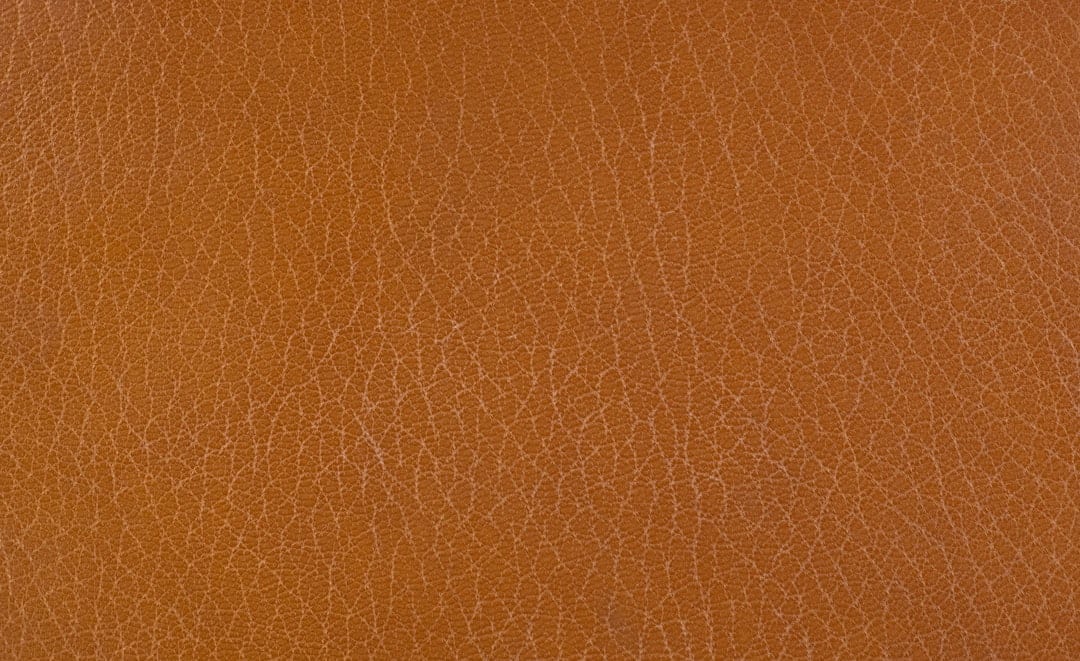
Neutral tones — tan, cognac, charcoal, black — are the quiet workhorses of a minimalist living room. They pair with any wall colour, any rug, any future redecorating whim. And in Singapore's tropical climate, leather carries practical advantages: it breathes, wipes clean with a damp cloth, and a weekly dust keeps it comfortable even in high humidity. Just keep it out of direct afternoon sun and condition it occasionally.
When you compare hides in a showroom, look for:
- natural grain visible on the surface, not a printed pattern
- even colour and a soft, consistent feel
- a solid hardwood or steel frame beneath the leather
- high-density foam that springs back quickly — this is what separates a sofa that lasts from one that sags in year three
For more on pairing this material with a mid-century aesthetic, read our guide to mid-century modern leather sofa styling.
Keeping the Space Uncluttered Around the Sofa
The sofa is the anchor; everything else is support. In a minimalist room, the goal is not to fill the space around the sofa, but to let it breathe.
Start with proportion. A generously sized sofa in a small room is perfectly fine — minimalist rooms are built around one strong focal point — but keep walkways clear and leave at least 60–70 cm in front of the sofa so the electric recline and bed extension can deploy without a game of furniture Tetris.
Then edit the accessories hard:
- one low-profile side table for a drink and a book — not a matching pair
- one floor lamp for warm evening light
- one throw or cushion in a tone drawn from the room's palette
- walls left largely bare, with at most a single framed piece
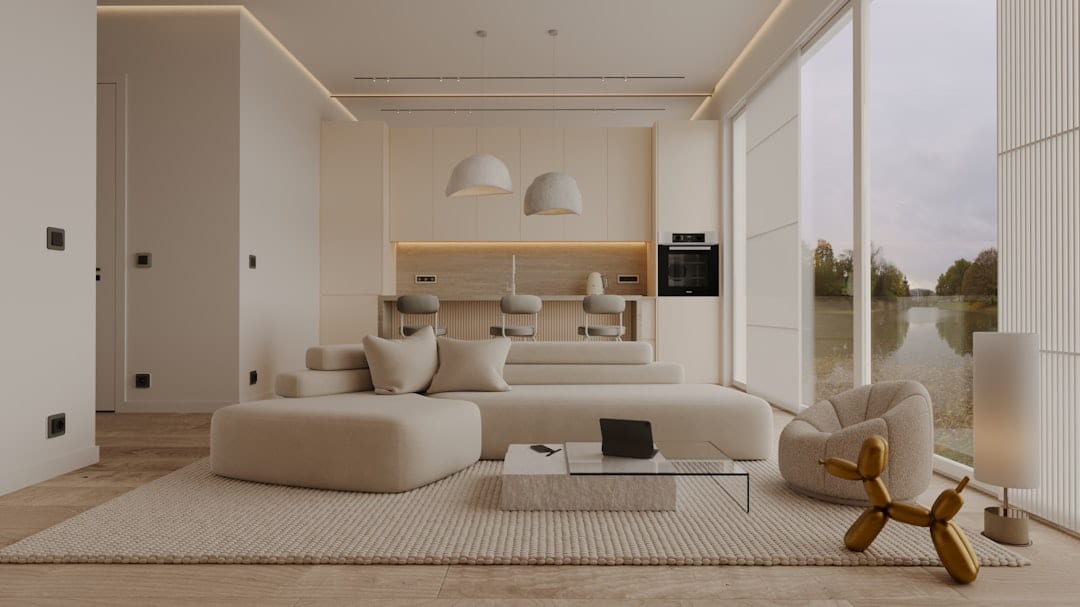
Look for sofas with legs that lift the body off the floor. That sliver of visible floor underneath makes a compact HDB room feel instantly larger and gives the eye a place to rest — the same reason minimalists favour floating shelves over heavy cabinets. If you are designing a room that must serve several purposes at once, our guide to the dual-purpose room walks through the full setup, from spare corner to guest-ready space.
How Minimalism Pairs with Quality and Longevity
There is an old furniture adage: buy cheap, buy twice. Minimalism inverts it — buy once, buy well, and let the piece earn its place over a decade or more.
Think in cost per year rather than price tag. A well-made leather sofa bed that serves you for fifteen years almost always costs less, in the long run, than a succession of budget sofas replaced every few years — to say nothing of the hassle of hauling furniture down HDB stairwells.
Quality also shows up in the parts you cannot see: the steel mechanism that still glides smoothly after hundreds of folds, the foam that holds its shape, the stitching that never unravels. These are the details our sourcing team hunts for in Foshan factories before a single piece reaches Singapore. And because minimalists value pieces that stay, service matters as much as the sofa. Buying from a retailer with a local showroom and in-house delivery, installation, and after-sales coordination means the piece is not just built to last — it is supported to last. If a mechanism ever needs attention, a phone call resolves it, not a cross-border return.
"Minimalism is not about owning less for its own sake — it is about owning pieces that earn their place, day after day, year after year."
What Our Sourcing Team Looks For
In our showroom at Ubi, we hear the same question from every minimalist shopper: "How do I know it will last?" The answer starts long before the sofa reaches your living room. Our team visits Foshan's furniture hub to select hides personally, rejecting any with uneven grain or weak dye. We test every electric recline mechanism through hundreds of cycles before approving it, and we specify high-density foam that keeps its spring. That is the quiet work behind a minimalist purchase: fewer pieces, but each one verified — from leather selection through assembly to the delivery team that installs it in your home.
Frequently Asked Questions
Is a leather sofa bed practical in Singapore's tropical climate?
Yes. Top-grain leather breathes better than synthetic materials and wipes clean with a damp cloth. Keep it out of direct afternoon sun to avoid drying, and wipe it down weekly to manage humidity.
How much floor space does an electric sofa bed need?
Allow roughly 60–70 cm of clear space in front of the sofa so the recline and bed extension can deploy fully. Measure your room before you buy — our showroom team can help you confirm the fit.
Why choose leather over fabric for a minimalist sofa?
Leather ages gracefully instead of wearing out, needs no removable covers to wash or replace, and its neutral tones sit quietly in a pared-back palette — three qualities that fit minimalist living perfectly.
The Minimalist Bottom Line
Minimalist living is not a style of deprivation; it is a vote for fewer, better things. In a compact Singapore home, that vote lands on multifunctional pieces made from timeless materials — and few do more with less than a top-grain leather electric sofa bed. It lounges, it sleeps, it anchors your space, and it does so for years without demanding replacement.
The best way to judge a piece like this is not on a screen, but in person. Visit our showroom at Ubi to run your hand across the leather grain, feel the recline mechanism glide, and sit in the exact position you will sit in at home. Our team will walk you through the fit for your floor plan — no pressure, just honest advice.
Prefer to keep reading? Explore our guides on mid-century leather styling and dual-purpose rooms to round out your minimalist plan, or browse the leather electric sofa bed that started the conversation.


